

















&&& Publishing is an independent purveyor of theoretically informed, publicly engaged publications, circumventing academic/popular distinctions in order to open up a more accessible platform for public intellectual practice. As the publishing platform operated by The New Centre for Research & Practice, our aim is to shape new forms of knowledge production and circulation within and against both past and present modes of intellectual production, distribution, consumption.
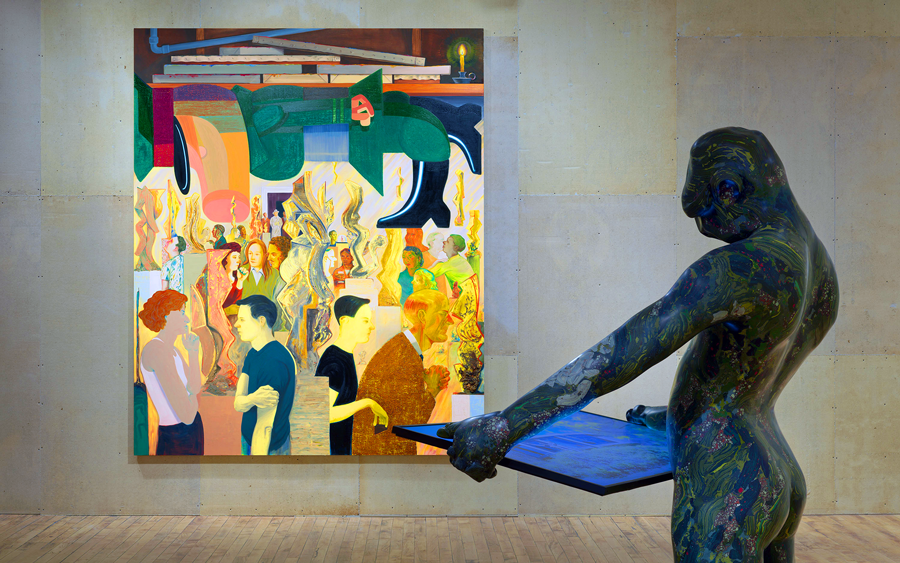
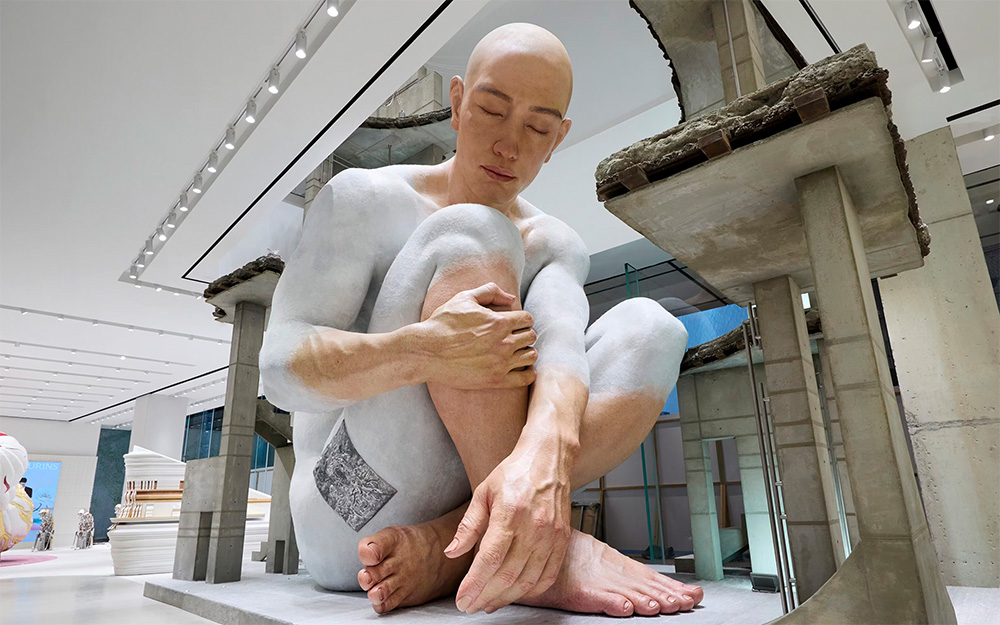
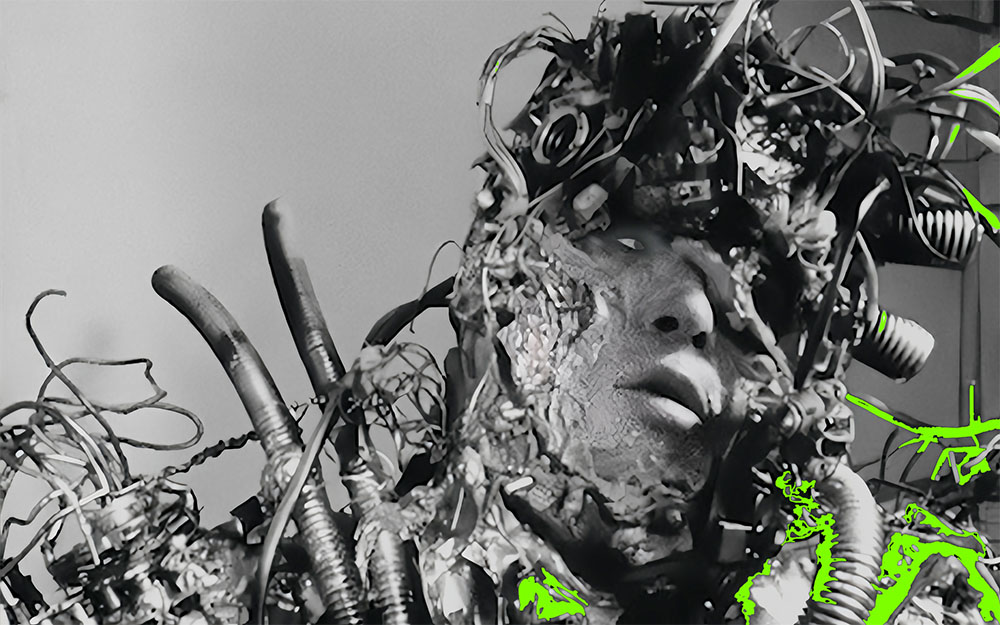
To Share a Stomach ran from August 8 to September 19, 2026, at The Brick, the Los Angeles non-profit art space formerly known as LAXART.
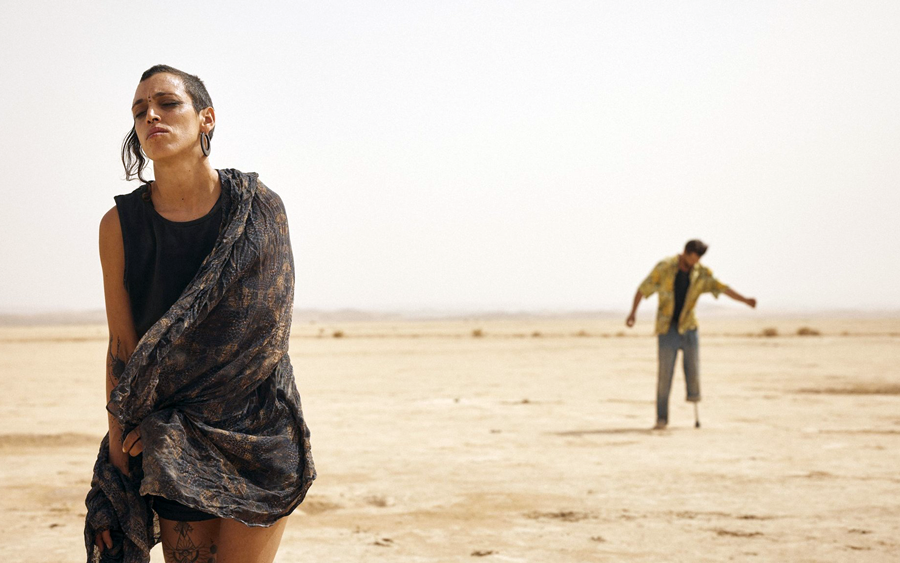
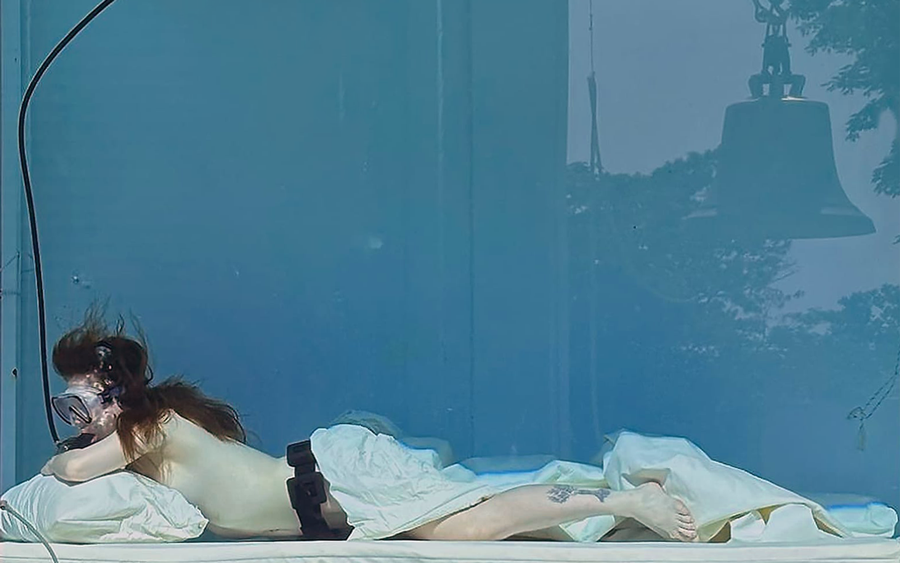
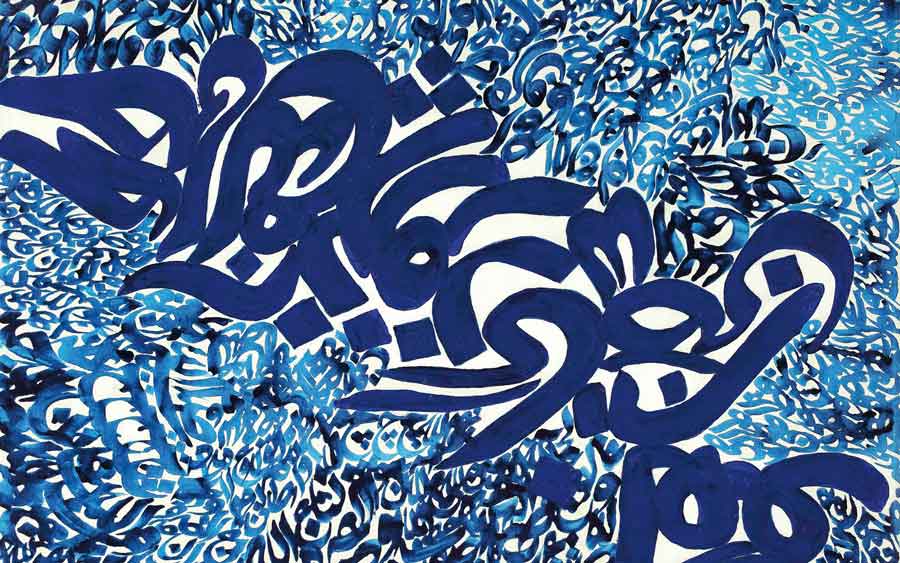
Aram Moshayedi curated the exhibit around proposals, instructions and letters sent by 25 artists living in Iran and carried out in Los Angeles by 24 American artists acting as their proxies. The press release dates the project to March 2026, when, in its words, the country was under daily bombardment and living through the longest internet shutdown ever recorded, and it describes the Iranian artists as people held back by “circumstances not of their making.”
Moshayedi does not hide the complications of the arrangement, acknowledging the unequal conditions under which the works were produced and asking what happens when one artist proposes a work and another executes it. These are the questions the exhibition permits itself to ask, but they are not the questions that matter the most after what has happened in Iran since January.
The internet shutdown Moshayedi’s press release attributed to the war was in fact imposed by the Islamic Republic much earlier than the beginning of combat. On January 8, 2026, the twelfth day of nationwide protests, the state cut the country off from the global internet; human rights organizations have described the blackout as an attempt to hide the mass killings that followed.
Never having fully subsided, the shutdown went into high gear again on February 28, the day American and Israeli strikes hit Iranian territory. The passive voice in the press release politely sidesteps these facts. In reality “circumstances not of the artists’ making” were very much of someone else’s. The exhibition’s founding sentence credits the war with the blackout, and everything else that is wrong with To Share a Stomach follows from this substitution.